12 Electrical Emergency Electrician Ltd

Why Do My Lights Keep Flickering? Common Causes Explained
Overview
Flickering lights are easy to dismiss, but they are one of the more common signs that something in your electrical system needs attention. Sometimes the cause is as simple as a loose bulb and sometimes it points to a fault that could become a safety risk if left unchecked. Knowing the difference helps you decide whether a quick fix will do or whether it is time to call an electrician.
Is it normal for lights to flicker occasionally?
An occasional, brief flicker is not always a concern. A momentary dip can happen when a large appliance such as a kettle or washing machine switches on and briefly draws extra current, and the light settles immediately. The pattern is the giveaway: a one-off flicker is rarely a problem, but flickering that repeats, spreads to other fittings, or worsens over time is worth investigating.
Common causes of flickering lights
Flickering has several possible causes, ranging from the trivial to the serious.
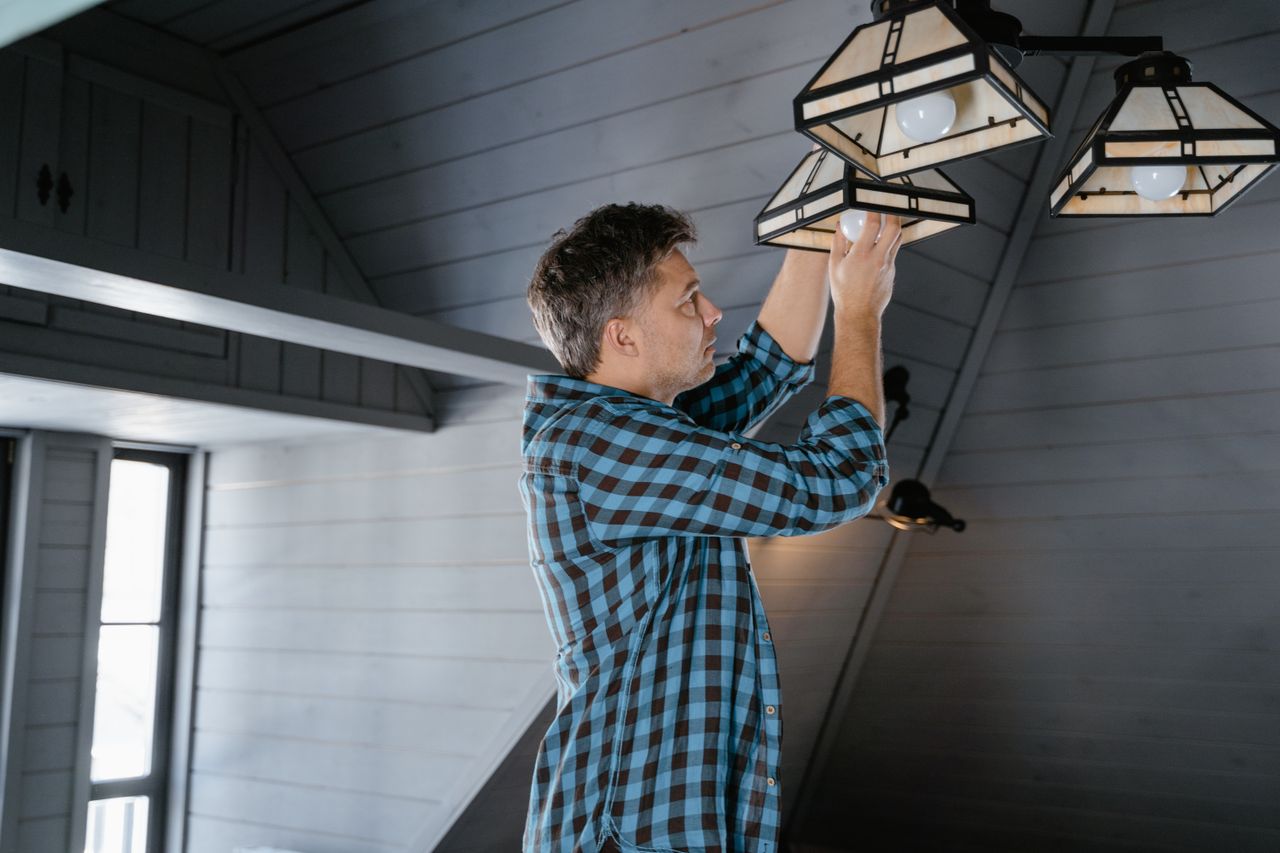
- Loose bulbs: a bulb that is not seated firmly can flicker; turning it off and tightening it often solves it.
- Faulty fittings: worn or deteriorating fittings can cause an intermittent connection.
- LED and dimmer issues: LEDs draw very little power and are sensitive to older dimmers, so an incompatible dimmer or a low-quality bulb is a frequent cause; switching to good-quality, dimmer-compatible LEDs usually resolves it.
- Circuit overloads: too many appliances on one circuit can dim or flicker lights at peak demand.
- Loose or damaged wiring: a poor connection at a fitting, switch or junction can interrupt the supply and generate heat, which is a recognised fire risk and should always be inspected by an electrician.
- Voltage fluctuations: problems with the incoming supply or local network can cause flickering throughout the whole house.
Warning signs that need immediate attention
Certain symptoms alongside flickering suggest a fault that needs urgent professional help. If you notice any of these, treat it as an emergency.
- Burning smells: a sign of overheating somewhere in the circuit.
- Buzzing sounds: often heard at switches, sockets or the consumer unit.
- Warm sockets or switches: accessories should never feel hot to the touch.
- Frequent tripping: a breaker that keeps cutting out points to a real fault.
- Several lights flickering at once: widespread flickering suggests a circuit or supply problem.
- Sparking: any visible spark from a fitting or socket needs immediate attention.
Can flickering lights cause a fire?
Flickering itself does not start a fire, but the faults behind it sometimes can. Loose connections and overloaded circuits generate heat, and over time that heat can damage insulation and surrounding materials. That is why persistent flickering you cannot explain should never be ignored, as catching a loose connection early is far cheaper and safer than dealing with the consequences.
What you can safely check yourself
There are a few simple checks you can make before calling for help, none of which involve any contact with wiring.
- Reseat or replace the bulb: tighten a loose bulb, or swap it for a known good one to rule out the bulb itself.
- Test another fitting: if the flickering follows the bulb to a different fitting, the bulb is the problem.
- Check the spread: note whether it affects one fitting, one room or the whole house.
When to call an electrician
If flickering is sudden and widespread, comes with any sign of overheating, or appears alongside repeated tripping or brief power losses, it is time to call a professional, as these patterns point to the wiring, consumer unit or supply rather than a single bulb. An electrician uses test equipment to trace the fault, inspect the fittings and consumer unit, and repair and certify the work to current standards, giving you a clear answer rather than guesswork.
A single flickering bulb is often nothing more than a loose connection you can fix in seconds, but flickering across several lights, or anything accompanied by heat, noise or tripping, deserves a closer look. When the simple checks do not settle it, having the circuit tested properly is the surest way to rule out a hidden fault. 12 Electrical Emergency Electrician offers fast fault diagnosis and repairs across Cardiff, South Wales, Bristol and the South West, with NAPIT-registered electricians available 24/7 to get to the bottom of flickering lights safely.
Leave A Reply
Your email address will not be published. Required fields are marked *
Recent Post


Need Reliable Electrical Services? Call Us Today
Elementum congue commodo ornare; consectetur pulvinar id. Dictum malesuada nunc; condimentum placerat sed auctor maecenas.
+(12)345-7890-1234